Most entertainment venues say they use dynamic pricing. Very few actually do.
What most operators have is variable pricing. A set of pre-determined rates mapped to predictable demand patterns. Peak and off-peak. Weekday and weekend. School holidays and shoulder season. The prices change, but they were decided weeks or months ago by someone with a spreadsheet and a best guess.
That's not dynamic. That's scheduled.
The distinction matters more than you'd think, because the gap between variable pricing and true dynamic pricing is where most venues are quietly losing revenue every single week.
Variable pricing feels sophisticated. It isn't.
Variable pricing works on assumptions. You assume Saturday at 3pm will be busy, so you charge more. You assume Tuesday morning will be quiet, so you discount. And those assumptions are often broadly correct, which is exactly why the approach feels like it's working.
But "broadly correct" leaves a lot of money on the table.
Think about what variable pricing can't account for. A Tuesday that happens to fall during half-term. A Saturday afternoon where rain has driven walk-up demand through the roof. A Friday evening where a local event has pulled your usual crowd elsewhere. A quiet Wednesday where a corporate group has already booked out most of your capacity, meaning the remaining slots are actually scarce.
In every one of those scenarios, your pre-set pricing is wrong. Not catastrophically wrong, but consistently wrong in a way that compounds across hundreds of time slots every month.
The real cost isn't dramatic. It's invisible.
This is why most operators don't notice. Variable pricing doesn't create obvious disasters. Nobody complains. The tills still ring. But across a typical week, you're undercharging in moments of genuine scarcity and over-discounting in moments where demand was actually healthier than your assumptions predicted.
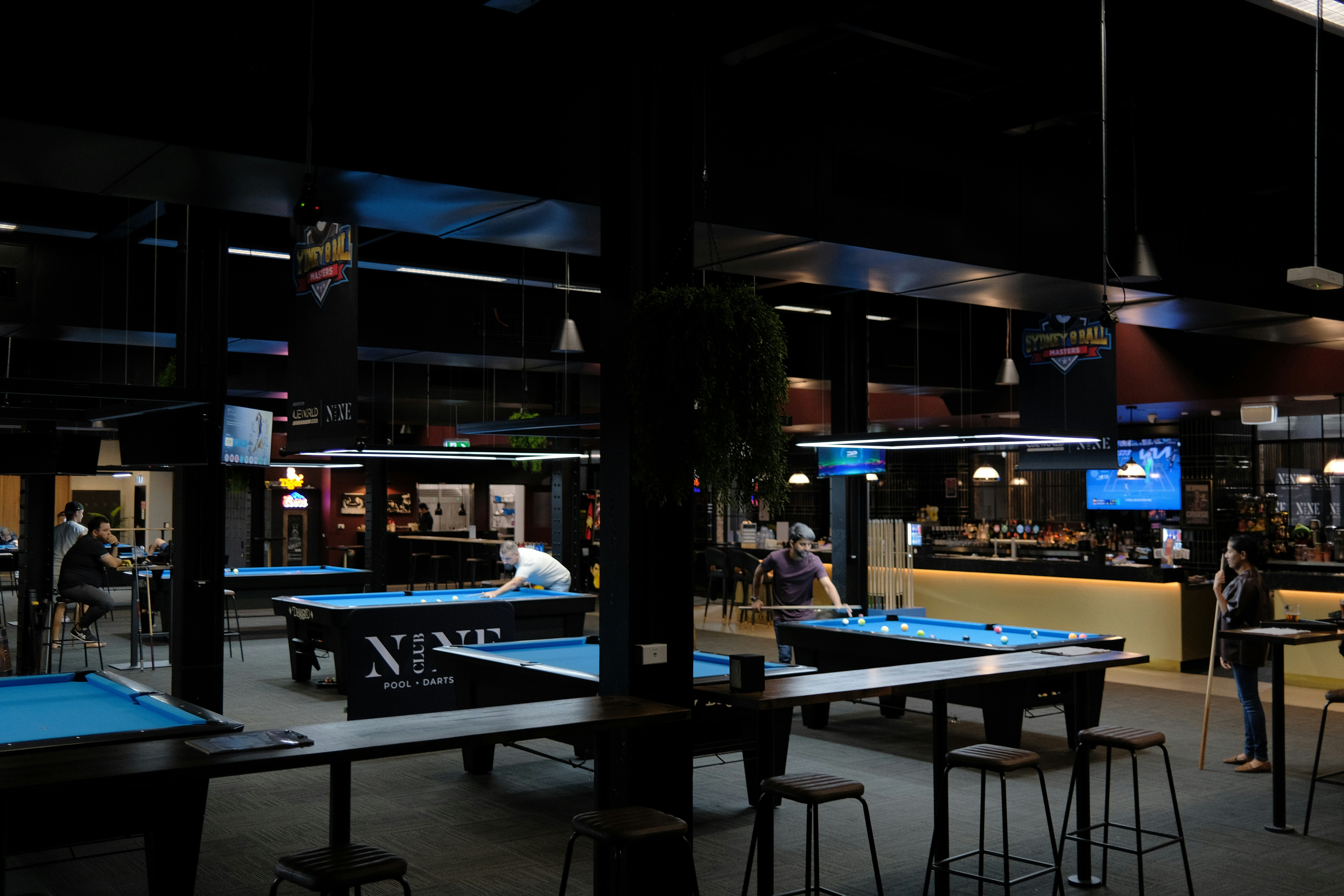
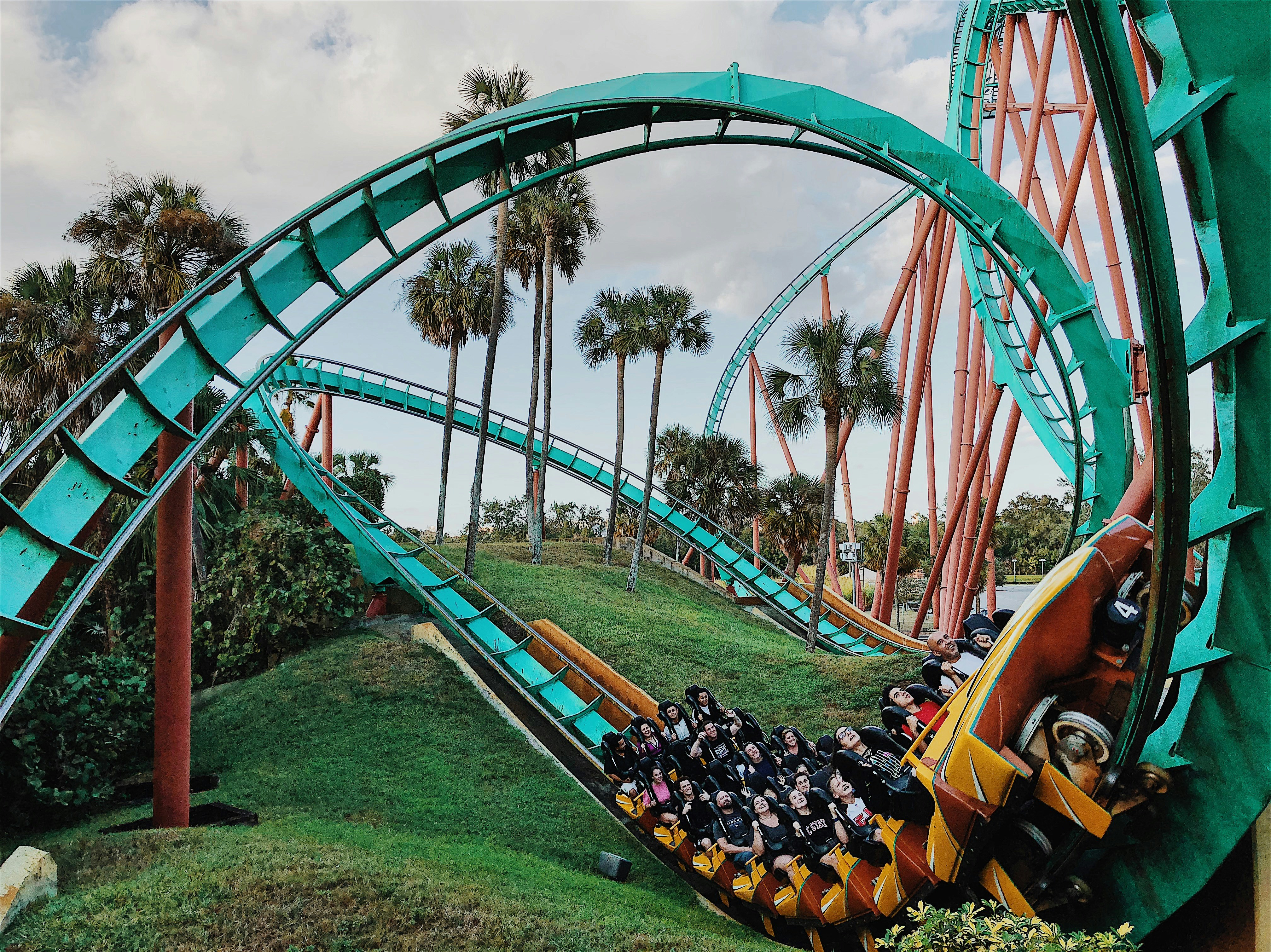
Escape rooms running a flat weekend rate miss the difference between a Saturday afternoon in January and a Saturday afternoon in October half-term. Competitive socialising venues charging the same peak price at 2pm and 5pm on a Saturday ignore that those two slots have completely different demand profiles. Visitor attractions discounting every weekday the same way fail to notice that Wednesdays consistently outperform Mondays.
None of these feel like problems. They feel like normal business. And that's precisely why they persist.
True dynamic pricing responds to what's actually happening
Dynamic pricing, the real version, doesn't start with a schedule. It starts with live demand signals.
That means looking at how fast a particular time slot is filling relative to how it normally fills at this point before the session. It means understanding whether current utilisation represents genuine scarcity or just early bookings that will plateau. It means factoring in external conditions, local events, weather, school calendars, and understanding how those affect not just whether people book, but how much they're willing to spend when they do.
True dynamic pricing treats every time slot as its own micro-market. A Saturday 3pm in week 12 of the year is a fundamentally different commercial proposition to a Saturday 3pm in week 38, even though your variable pricing model treats them identically.
The shift isn't just about charging more when it's busy. That's the part everyone fixates on, and it's the least interesting part. The real value is in the hundreds of slots across your week that sit somewhere between "peak" and "off-peak" in your current model, slots where the right price at the right moment would either capture more revenue or drive more volume, depending on what that specific slot actually needs.
Why most venues stay stuck on variable pricing
There are practical reasons this doesn't change. True dynamic pricing requires real-time data, not just historical averages. It requires the ability to adjust pricing fluidly rather than in fixed tiers. And it requires a framework for deciding what "optimal" actually means for each slot, because sometimes the right move is to increase price and sometimes the right move is to stimulate demand.
Most booking platforms weren't built for this. They're excellent at processing reservations and managing capacity, but pricing intelligence isn't their core function. So operators work within the constraints of what their system allows, which usually means two to four price tiers with manual overrides when someone notices something unusual.
That's not a criticism of the platforms. It's a recognition that revenue optimisation is a different discipline from booking management. The two complement each other, but they're not the same thing.
The question to ask yourself
Look at your pricing structure and ask: when was the last time a price changed in response to something that happened today? Not last quarter's review. Not next month's promotional calendar. Today.
If the answer is never, you're running variable pricing. It's better than a single flat rate, no question. But it's not dynamic, and the difference between the two is where your next meaningful revenue gain is hiding.